GSA SER Link Lists
Ranking a website in search engines requires a constant stream of quality backlinks, and few tools in the SEO world deliver that as consistently as GSA Search Engine Ranker. At the heart of every successful GSA campaign lies a strong foundation of verified target sites, commonly referred to as GSA SER link lists. Understanding how to source, verify, and deploy these lists effectively can make the difference between a campaign that builds powerful links and one that wastes resources.
What Exactly Are GSA SER Link Lists?
A GSA SER link list is a curated collection of URLs where the software can attempt to create backlinks. These are not just random web addresses; they consist of platforms that accept user-generated content, comments, forum profiles, and other link submissions. Each entry in the list is typically pre-tested to confirm that the site allows registration or posting, making the automated link-building process dramatically more efficient.
Core Components of a High-Quality Link List
Not all link lists are created equal. A well-constructed list provides GSA SER with actionable data points beyond a simple URL. The most valuable lists include:
- Platform identification – tags that tell GSA which engine script (WordPress, phpBB, Drupal, etc.) to use.
- Registration URLs – direct paths to the sign-up page to enable automated account creation.
- Posting forms – the exact URL of the “new topic†or “submit article†page.
- Success and failure footprints – unique text on a live page that confirms a link was placed, helping GSA verify submissions dynamically.
Why Verified GSA SER Link Lists Outperform Raw Scrapes
New users often make the mistake of feeding GSA SER massive, unverified scraped lists. While volume seems attractive, it leads to a miserably low success rate. Verified GSA SER link lists have been processed through a filtering pipeline that removes dead sites, platforms behind payment walls, and destinations that have become nofollow-only. By using a verified list, you can expect a verification rate of 60-90%, whereas a raw scrape might yield less than 5% active targets. This efficiency translates directly into more links per hour, a lower CPU load, and fewer captcha costs.
How Link Lists Are Verified
The verification process is rigorous. Advanced sellers and experienced SEOs use dedicated GSA instances solely to test each URL with the appropriate engine. The software attempts to register an account and post a piece of content containing a unique search footprint. Once that footprint is found live, the site is marked as “verified†and added to the final list. This entire cycle ensures you are not burning your primary campaign’s resources on dead-ends.
Types of GSA SER Link Lists Available
The market offers several categories of link lists, each suited to a different stage of a link-building campaign. Selecting the right type is critical for maintaining a natural backlink profile.
1. General Identity Lists
These are broad lists covering thousands of platforms, including WordPress comments, guestbooks, article directories, and social bookmarks. They are perfect for the initial burst of a lower-tier campaign where diversity matters more than relevance.
2. Engine-Specific Lists
If you know a certain platform type produces strong results, you might use an engine-specific list. Examples include:
- WordPress comment lists – highly effective for contextual links with relevant articles.
- phpBB and vBulletin forum lists – excellent for creating profile links and active forum signatures.
- Web 2.0 site lists – containing domains like WordPress.com, Blogger, or Tumblr for creating powerful buffer tiers.
- Wiki lists – MediaWiki-based sites that allow page creation and contextual link insertion.
3. Contextual and Premium Lists
These are the gold standard of GSA SER link lists. They contain only sites that allow do-follow links within the body of an article or post. The indexing rate of such links is significantly higher, and they pass more authority. Premium lists are often hand-checked and updated weekly to remove fleeting public blog networks or sites that have tightened moderation.
How to Properly Use GSA SER Link Lists in Your Campaign
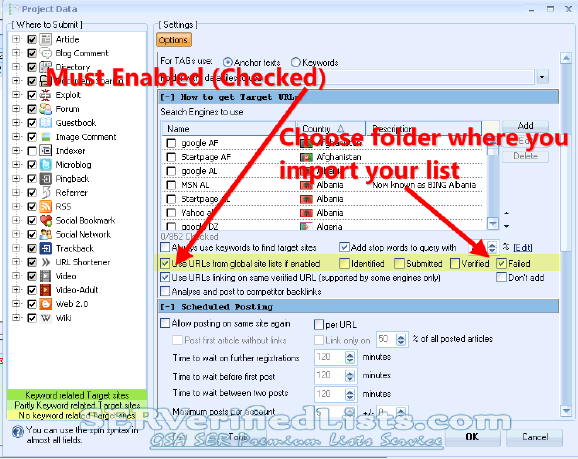
Simply importing a list is not enough; configuration is what turns a list into a link. Follow these steps to maximize your success rate with every imported list.
- Pre-filter for duplicates – remove any URLs already present in your global blacklist to avoid wasting time on sites you have already used.
- Match the list to the engine – if you imported a forum-only list, disable all other engines in GSA SER to prevent the software from misidentifying the platform.
- Adjust the threads and timeouts – a verified list can handle higher threading, but you should still maintain a reasonable delay between search queries to prevent IP bans.
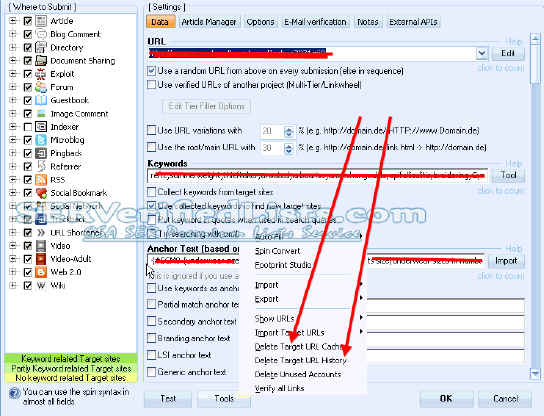
- Disable internal searching – right-click on the project and set the option “Use only imported URLs†so GSA does not try to scrape the search engines for additional here targets. This focuses all power on the imported GSA SER link lists.
- Set up a dedicated verification pass – many advanced users have a separate GSA project running 24/7 that continuously re-verifies every link in the list, outputting only the currently live URLs to the active building projects.
Common Mistakes to Avoid When Working with Link Lists
A poorly handled list can damage your IP reputation and even harm your target site. Avoid these frequent errors:
- Using the same list across all tiers – always use different, siloed lists for tier-1 and tier-2. You don’t want your money site linked on the exact same guestbook as your buffer tier links.
- Neglecting to trim banned platforms – failing to remove sites that send a “form disabled†or “content marked as spam†footprint will cause GSA to repeatedly hammer dead targets, raising red flags with your proxy provider.
- Importing lists with broken engines – if a list references an engine version that your GSA SER installation doesn’t have, those entries will fail silently. Always ensure your software’s engine definitions are up to date.
Frequently Asked Questions about GSA SER Link Lists
Do I need to buy premium GSA SER link lists or can I scrape my own?
You can scrape your own, but the time investment is substantial. Building a high-quality list from scratch requires scraping footprints, cleaning duplicates, and running verification cycles that can take days. Premium lists save you that effort and usually come with a much higher verified ratio. For newcomers, starting with a reputable monthly subscription pack is the fastest way to see results.
How often should I update my link lists?
Link list decay is rapid. A large general list can lose 10-20% of its active entries every month as new CMS versions patch submission flaws and webmasters shut down spammy pages. For active campaigns, a weekly refresh is ideal. If you are on a monthly subscription, importing the latest update every 30 days is standard practice.
Can GSA SER link lists hurt my rankings?
When used correctly as part of a tiered linking strategy, no. The lists themselves are neutral resources. Problems arise when you send disruptive, over-optimized anchor text directly to your money site using low-quality target lists. Always use generic, branded, and URL anchors when building to your tier-1 buffers, and keep the more aggressive exact-match anchors confined to deep tiers built with the largest link lists.
What is the optimal number of entries in a link list?
There is no magic number, but quality trumps quantity. A verified list of 10,000 active targets that match your engine setup will vastly outperform a bloated list of 200,000 unverified URLs. Most successful campaign managers prefer maintaining a few curated GSA SER link lists ranging between 15,000 and 50,000 verified entries per project, rotating them to avoid saturation.
Is it better to use a single massive list or multiple smaller niche lists?
Multiple smaller, categorized lists always produce healthier link profiles. By splitting your lists into engine-specific collections (forums, articles, wikis, blog comments), you can control the exact link type ratio for each tier. This prevents your project from becoming dominated by one easy-to-spam platform and creates a much more natural footprint.